

DNA TEST:

What is a DNA test?
A DNA test and genetic test are powerful scientific tools used to examine an individual’s unique genetic structure in order to confirm biological relationships, establish identity, assess inherited traits, and support medical or legal conclusions. Through the detailed study of specific genetic markers, a DNA test helps determine parentage, verify kinship links, resolve disputes, and detect potential hereditary conditions. Medical professionals also rely on a genetic test to understand predisposition to certain diseases, evaluate treatment options, and guide preventive healthcare planning based on a person’s genetic profile.
What Are the Available DNA Tests?
- Paternity Testing – Determine biological father-child relationships with accurate and reliable results. The cost of this DNA test is 12,000.
- Maternity Testing – Confirm the mother-child biological link through advanced DNA analysis. The cost of this DNA test is 12,000.
- Sibling DNA Testing – Verify whether individuals share the same parents using precise sibling tests. The cost of this DNA test is 20,000.
- Y-STR Testing – Analyze paternal lineage and male inheritance patterns for ancestry or forensic purposes. The cost of this DNA test is 24,000.
- Grandparent Testing – Establish the genetic connection between grandparents and grandchildren. The cost of this DNA test is 24,000
- Avuncular Testing (Aunt/Uncle Test) – Confirm the biological relationship between a child and an aunt or uncle. The cost of this DNA test is 24,000.
- Ancestry DNA Test – To trace your ethnic background and family origins. The cost of this DNA test is 24,000.
- Legal DNA Testing – Obtain court-admissible DNA reports for legal purposes such as custody or inheritance. The cost of this DNA test is 20,000.
- DNA Self-Collection Kit – Collect DNA samples conveniently at home and send them to Genetic DNA Center for testing. The cost of this DNA test is 1,000.
- Individual DNA Profiling – Generate a unique genetic profile for personal, medical, or investigative purposes. The cost of this DNA test is 10,000.
Which Types of Samples Are Used for DNA Test?
A DNA test and Genetic test can utilize multiple biological materials as a source of genetic information, ensuring flexibility based on availability and testing conditions. The most frequently used samples include buccal swabs collected from the inner cheek, saliva, blood drops, hair strands with intact roots, nail clippings, and occasionally tissue samples. These sample types all contain sufficient genetic material, allowing a DNA test to extract, amplify, and examine the genetic code with dependable precision.
How Are the DNA test samples collected?
The process of collecting material for a DNA test and genetic test is designed to be hygienic, secure, and minimally invasive for the individual. Typically, a sterile swab is gently rubbed inside the cheek to gather epithelial cells, which are then properly sealed and labeled to prevent contamination. In situations requiring alternative sources, other materials such as blood or hair roots may be used. Each DNA test follows standardized handling and documentation procedures to maintain authenticity and accuracy throughout the testing cycle.

Is a DNA test accurate?
A DNA test and genetic test are recognized for their exceptional reliability when conducted by accredited laboratories using advanced molecular technology. By comparing multiple genetic markers and applying sophisticated analysis techniques, a DNA test delivers highly precise results with an extremely low margin of error.
At My Genetic DNA Center, all tests are conducted using high-end genetic testing technology, ensuring 99.9% accuracy and complete data confidentiality. Our team provides expert guidance to help you select the most suitable test for your requirement and budget.
How long does it take to receive DNA Test results?
The result timeline for a DNA test and genetic test varies according to the complexity of the analysis and the testing method used. Standard DNA test reports are often completed within a few working days, while more detailed genetic test evaluations may take slightly longer due to in-depth examination. The average turnaround time at My Genetic DNA Center is about 5 to 7 business days after the lab receives the samples. Express processing options are also available for urgent cases.
NIPT TEST:

What is NIPT Test?
The Non-Invasive Prenatal Test (NIPT) is recognized as a highly sophisticated and dependable option for prenatal screening in modern pregnancy care. This test involves drawing a small blood sample from the expectant mother to examine minute traces of the baby’s genetic material circulating in her bloodstream. Unlike traditional procedures such as amniocentesis or chorionic villus sampling that require needle insertion into the uterus and pose certain risks, NIPT poses no harm and ensures complete safety for both mother and fetus. It primarily helps identify chromosomal variations including Down syndrome (Trisomy 21), Edwards syndrome (Trisomy 18), and Patau syndrome (Trisomy 13).
What are the different types of Available NIPT Tests?
- Standard NIPT (Basic Chromosomal Screening):
This test looks for the most common chromosome conditions such as Down syndrome, Edwards syndrome, and Patau syndrome by studying the baby’s DNA found in the mother’s blood. It is mainly used for early and routine pregnancy risk checking. - Extended NIPT Panel:
This type gives more detailed screening by checking for extra chromosome problems that are not covered in the basic test. It helps provide a wider understanding of possible genetic issues. - Genome-Wide NIPT:
This advanced test examines all chromosomes to find any missing or extra ones. It offers a complete overview of the baby’s chromosomal health instead of focusing on just a few conditions. - Microdeletion NIPT:
This screening identifies very small missing sections in chromosomes that can cause rare genetic disorders. It helps in early detection of certain developmental conditions. - Sex Chromosome Analysis NIPT:
This test checks for problems related to X and Y chromosomes, which can affect growth and development. It helps detect conditions linked to unusual sex chromosome patterns. - Single-Gene Disorder NIPT:
This focuses on specific inherited diseases caused by changes in one gene. It is usually suggested when there is a known genetic condition in the family.
What is the Cost of the NIPT Test?
The price of NIPT in India depends on factors such as the testing facility, location, and the specific screening panel selected. Typically, the cost for this test starts at ₹25,000 at My Genetic DNA Center. Although this screening is more costly than traditional options like double or triple marker tests, it provides notable advantages. NIPT delivers early, highly precise, and completely non-invasive detection of chromosomal variations, helping to avoid invasive procedures such as amniocentesis that carry potential risks. For many families, the confidence gained from dependable results makes the investment worthwhile.
Reputed laboratories like My Genetic DNA Center are also improving accessibility by offering convenient payment plans, special pricing options, and flexible packages. These initiatives make it easier for expecting parents to benefit from advanced prenatal screening without experiencing excessive financial strain.
What Type of samples are required for the NIPT Test?
The NIPT test requires a simple and safe maternal blood sample, which is the primary and most important specimen for this screening. A small quantity of blood is drawn from the expectant mother’s arm, usually after the 10th week of pregnancy, as this is when a sufficient amount of cell-free fetal DNA is present in the bloodstream. This blood contains tiny fragments of the baby’s genetic material that originate from the placenta and circulate naturally in the mother’s system. These fragments are carefully separated and examined in advanced laboratories to assess potential chromosomal irregularities. No samples are taken directly from the fetus, which is why this test is considered completely non-invasive and risk-free. The collected blood is handled under controlled conditions to preserve its quality, ensuring accurate genetic interpretation and dependable screening outcomes.
How to collect samples for NIPT test?
For an NIPT (Non-Invasive Prenatal Test), a healthcare professional collects a small blood sample from a vein in the mother’s arm, similar to a standard blood test. The sample is then sent to a specialized laboratory, where experts extract and study the fragments of cell-free DNA (cfDNA) from the baby that circulate in the mother’s blood. This test can be carried out from around the 10th week of pregnancy. It’s important to remember that the process requires only the mother’s blood and cannot be done by the patient on their own.

How accurate is the NIPT test?
At My Genetic DNA Center, The NIPT testing achieves exceptional reliability by using advanced laboratory systems, carefully controlled procedures, and skilled genetic specialists, ensuring results that can be confidently used for both medical guidance and personal reassurance.
The Non-Invasive Prenatal Test (NIPT) is considered more precise than conventional prenatal screening techniques, making it a preferred option for the early identification of chromosomal conditions. It offers over 99% accuracy in detecting Down syndrome (Trisomy 21) and also shows strong effectiveness in identifying Edwards syndrome (Trisomy 18) and Patau syndrome (Trisomy 13). This test analyzes cell-free fetal DNA circulating in the mother’s bloodstream to produce a detailed genetic snapshot of the developing baby. While it functions as a screening tool rather than a confirmatory diagnosis, it significantly reduces the chances of incorrect results compared to traditional methods.
How Long will it take to get NIPT Test results?
At My Genetic DNA Center, NIPT test results are usually available within 7 to 10 days, as the process involves DNA extraction, sequencing, bioinformatics analysis, and clinical interpretation to provide accurate insights into genetic variations.
WHOLE EXOME SEQUENCING:

What is Whole Exome Sequencing?
Whole Exome Sequencing (WES) is a modern genetic testing method that focuses on the exome, which consists of all the protein-coding parts of DNA. Although the exome represents only about 1–2% of the entire genome, it contains nearly 85% of known mutations that can cause diseases, making it extremely important for understanding genetic health. Using advanced next-generation sequencing (NGS) technology, WES examines these regions to detect genetic changes such as single-letter DNA substitutions, small insertions or deletions, and other mutations that may lead to inherited, developmental, or complex medical conditions. WES is faster, more affordable, and highly effective for identifying the genetic causes of rare or unexplained disorders. It is particularly useful for diagnosing inherited diseases, assessing risks for certain cancers, evaluating neurological or developmental problems, and guiding personalized medical care. By uncovering disease-related mutations, WES enables doctors to provide precise diagnoses, recommend targeted treatments, and offer genetic counseling to families, helping them understand and manage potential health risks.
What is Cost of Whole Exome Sequencing?
The price of Whole Exome Sequencing (WES) typically starts around ₹25,000, but it can vary depending on the type of analysis, the laboratory, and any extra services included. Tests like clinical exome, full exome, or trio sequencing (child plus parents) may cost more due to the additional work involved. Large, well-equipped labs like My Genetic DNA Center in metropolitan areas often have higher fees because of advanced technology and faster processing, while smaller centers may charge less. Although WES is more expensive than standard genetic tests, it is often seen as cost-effective because it provides detailed insights into genetic disorders, reducing the need for multiple separate investigations.
What samples are required for Whole Exome Sequencing (WES)?
For Whole Exome Sequencing (WES), commonly used samples include blood and saliva, as they contain high-quality DNA necessary for accurate analysis. In some cases, cheek swabs or other tissue samples may be accepted depending on the lab’s requirements. The collected material is carefully preserved and transported under controlled conditions to maintain DNA integrity, ensuring precise sequencing and reliable results for genetic evaluation.
Who is recommended to undergo Whole Exome Sequencing (WES) Test?
Whole Exome Sequencing (WES) is recommended for individuals or families seeking to understand the genetic basis of unexplained medical conditions. It is particularly useful for diagnosing rare or undiagnosed disorders, detecting inherited disease risks, investigating developmental delays, or assessing susceptibility to certain cancers. WES helps doctors identify specific gene mutations, enabling targeted treatment plans, personalized medical care, and informed genetic counseling for patients and their families.
What is the Step-by-Step Process of Whole Exome Sequencing (WES)?
- Sample Collection: A small biological sample, usually blood or saliva, is collected from the individual. This sample contains DNA needed for sequencing.
- DNA Extraction: The DNA is carefully extracted from the cells in the collected sample, ensuring high quality and purity for accurate analysis.
- Library Preparation: The extracted DNA is fragmented into smaller pieces, and special adapters are added to prepare it for sequencing.
- Exome Capture: Using specialized probes, only the protein-coding regions (exons) of the genome are captured, filtering out non-coding regions.
- Sequencing: The captured exonic DNA fragments are sequenced using next-generation sequencing (NGS) technology to generate large amounts of genetic data.
- Data Analysis: Bioinformatics tools analyze the sequencing data to identify variations such as mutations, insertions, deletions, or single nucleotide changes in the exome.
- Interpretation of Results: Genetic experts interpret the findings to determine which variations are linked to diseases or health conditions and provide actionable insights for medical care or counseling.
- Reporting: A comprehensive report is prepared, summarizing the detected genetic variants, their potential significance, and recommendations for follow-up or treatment if needed.
What is the typical turnaround time for Whole Exome Sequencing (WES) results?
At My Genetic DNA Center, results for Whole Exome Sequencing (WES) are usually delivered within 3 to 6 weeks. The process involves collecting a blood or saliva sample, extracting DNA, sequencing the exome regions, and analyzing the data using bioinformatics tools to detect genetic variations. Depending on the laboratory, case complexity, and type of WES test requested, results across India can take between 4 to 12 weeks, ensuring accurate and reliable insights into potential genetic conditions.
CLINICAL EXOME SEQUENCING:

What is Clinical Exome Sequencing?
Clinical Exome Sequencing (CES) is a specialized genetic test that focuses on the exons, which are the parts of DNA responsible for coding proteins related to health conditions. Although exons make up only a small portion of the genome, they contain most known disease-causing mutations. Using advanced Next-Generation Sequencing (NGS) technology, CES examines these regions to detect changes in genes, such as small insertions, deletions, or single-letter mutations, which may cause inherited, developmental, or complex disorders. This test is particularly helpful in diagnosing rare or unexplained medical conditions, identifying genetic risks for diseases, and guiding personalized treatments. By detecting disease-related mutations, CES helps doctors provide accurate diagnoses, suggest targeted therapies, and offer genetic counseling to families.
What Is the Cost of Clinical Exome Sequencing?
The cost of Clinical Exome Sequencing (CES) usually starts from ₹25,000, but it may vary based on the type of analysis, lab facilities, and additional services. More complex tests, like trio sequencing (child plus parents) or advanced clinical analysis, can increase the price. Well-equipped centers like My Genetic DNA Center will charge the reasonable fees and they also provide the facilities like faster processing and advanced technology. While CES is pricier than routine genetic tests, it provides detailed insights in one test, reducing the need for multiple separate investigations.
What Samples Are Required for Clinical Exome Sequencing?
For Clinical Exome Sequencing (CES), the most common samples are blood and saliva, as they provide high-quality DNA for analysis. Some laboratories like My Genetic DNA Center will also accept cheek swabs or other tissue samples depending on the testing requirements. All collected material is carefully stored and transported under controlled conditions to maintain DNA quality, ensuring precise sequencing and trustworthy results.
Who Should Consider Clinical Exome Sequencing (CES) Test?
Clinical Exome Sequencing (CES) is recommended for individuals or families who want to understand the genetic cause of unexplained health conditions. It is useful for diagnosing rare or undiagnosed disorders, evaluating inherited disease risks, investigating developmental delays, or identifying potential genetic causes of certain cancers. CES allows healthcare providers to pinpoint specific gene mutations, design personalized treatment plans, and provide informed genetic guidance to patients and their families.
What is the Step-by-Step Process of Clinical Exome Sequencing (CES)?
- Sample Collection: A small amount of blood, saliva, or tissue is collected for DNA extraction.
- DNA Extraction: The DNA is carefully separated from the collected cells to ensure high quality for sequencing.
- Library Preparation: The extracted DNA is broken into smaller fragments, and special adapters are attached to prepare it for sequencing.
- Exome Capture: Only the protein-coding regions of the DNA (exons) are selected, leaving non-coding regions aside.
- Sequencing: The exonic DNA fragments are sequenced using next-generation sequencing (NGS) to generate detailed genetic data.
- Data Analysis: Bioinformatics software is used to detect genetic variations like mutations, deletions, or single-letter changes.
- Interpretation of Results: Experts evaluate the genetic changes to identify which may cause diseases or affect health.
- Reporting: A comprehensive report is prepared showing all findings, their clinical significance, and suggested next steps or treatments.
How Long Does that take to receive Clinical Exome Sequencing Test Results?
At My Genetic DNA Center, Clinical Exome Sequencing (CES) results are typically available within 3 to 6 weeks. The process involves collecting a blood or saliva sample, extracting DNA, sequencing the exonic regions, and analyzing the data using bioinformatics tools. Depending on the complexity of the case and the type of CES test, results across India may take 4 to 12 weeks, ensuring accurate and reliable genetic information.
RABIES DNA TEST:
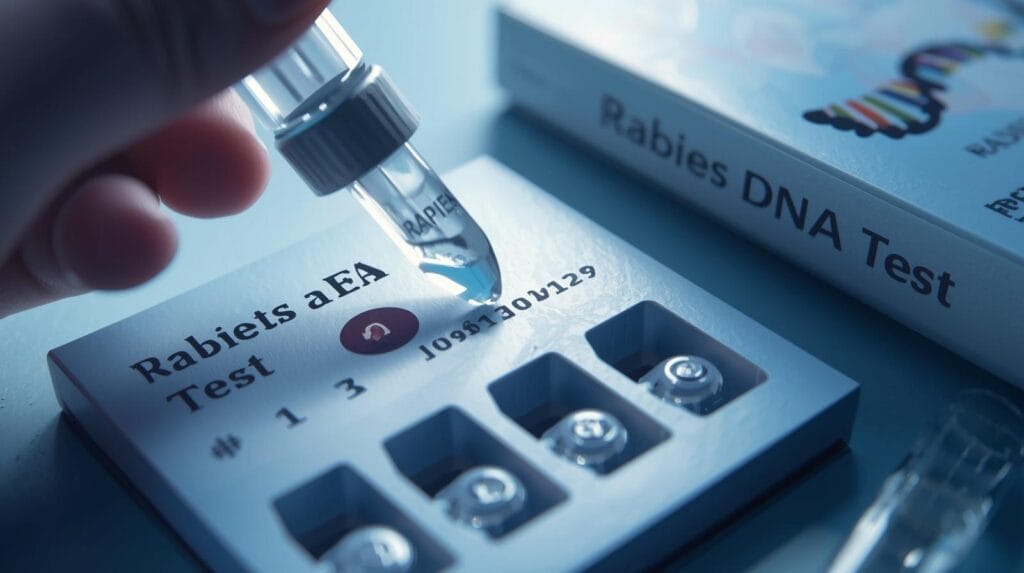
What is the Rabies DNA Test?
The Rabies DNA Test is a modern laboratory method used to identify the presence of the rabies virus by looking for its genetic material in a given sample. Instead of depending only on symptoms or visual signs, this test focuses on detecting the actual viral DNA, which allows doctors and scientists to confirm whether the infection exists. It plays an important role in providing a clear and scientific diagnosis, especially in situations where early detection is critical for patient safety and proper medical response.
How does it help in detecting the virus?
This Rabies DNA Test helps find the rabies virus by identifying tiny fragments of its genetic code that are unique to the virus. Even when the amount of virus is very low, advanced molecular techniques can recognize and amplify these genetic markers, making the infection visible at a microscopic level. This precise detection supports early confirmation, which is essential because timely treatment can greatly improve outcomes and prevent life-threatening complications.
Which types of samples are needed for Rabies DNA testing?
- Saliva sample: Helps detect the virus present in oral secretions, especially useful during active stages of infection.
- Skin biopsy: A small piece of skin taken from the neck area near hair follicles where nerve endings are concentrated, increasing the chance of identifying viral material.
- Cerebrospinal fluid (CSF): Collected in specific clinical cases to check for viral presence affecting the central nervous system.
- Brain tissue: Mainly used in confirmed or post-mortem cases to provide highly precise detection of the virus.
- Corneal impression smears: Taken from the surface of the eye to analyze nerve-connected areas for traces of the virus.
How accurate and reliable is the Rabies DNA Test for diagnosis?
The Rabies DNA Test is considered highly dependable when proper samples are collected and processed correctly. Because it identifies the virus at a genetic level, it significantly reduces the chance of incorrect findings compared to methods based only on symptoms. While no medical test is perfect, this approach offers strong reliability and plays a crucial role in confirming rabies infection with confidence and clarity.
Who should undergo a Rabies DNA Test and when is it recommended?
This Rabies DNA Test is advised for individuals who may have been exposed to the rabies virus through animal bites, scratches, or contact with saliva from infected animals. It is especially recommended when symptoms such as unexplained fever, difficulty swallowing, muscle spasms, or unusual behavior begin to appear. Doctors may also suggest the test in cases where exposure history is unclear but clinical signs raise concern.
How is the Rabies DNA Test performed in the laboratory?
In our laboratory, specialists process the collected sample using advanced molecular techniques that locate and analyze the virus’s genetic material. The sample undergoes careful preparation to separate and extract any viral DNA, which is then examined using specialized equipment that identifies the specific genetic pattern of rabies. This controlled and scientific approach ensures the results are based on accurate genetic confirmation rather than assumptions.
How long does it take to receive Rabies DNA Test results?
The time required to obtain Rabies DNA Test results at My Genetic DNA Center laboratory, The reports are typically available within a few days. In urgent cases, our laboratory will prioritize the analysis to provide faster confirmation so that doctors can take immediate medical action if necessary.
HIV PCR DNA Test:
What is the HIV PCR DNA Test?
The HIV PCR DNA Test is an advanced laboratory examination that detects the genetic material of the HIV virus directly in the body. Instead of looking for antibodies produced after infection, this test identifies the virus itself, allowing very early confirmation even before symptoms appear. It is especially helpful for diagnosing HIV in newborns, confirming recent exposure, and providing accurate results when other testing methods may not be reliable, making it a highly effective tool for early and precise detection.
What is the purpose of the HIV PCR DNA Test in medical diagnosis?
The HIV PCR DNA Test is used to find out whether the human immunodeficiency virus is present in a person’s body by detecting its genetic material at a very early stage. Unlike routine antibody tests that look for the body’s response to the virus, this method directly searches for the virus itself, which makes it especially useful soon after exposure. Doctors rely on this test for early diagnosis, monitoring infection in newborns born to HIV-positive mothers, and confirming unclear or indeterminate results from other screening methods, helping ensure timely medical care and prevention planning.
How does the HIV PCR DNA Test identify the presence of the virus in the body?
This test works by locating and multiplying tiny segments of the virus’s DNA so they become detectable using advanced molecular technology. Even if the virus is present in very small amounts, the process enhances these genetic traces, allowing laboratory equipment to recognize and confirm infection. Because it focuses on the actual viral genetic code instead of antibodies, it can identify HIV much earlier than traditional approaches.
Which type of samples are required for an HIV PCR DNA Test?
For the HIV PCR DNA Test, the samples that are required is a blood sample is most commonly used, as it contains the cells where the virus may reside. In newborns and infants, heel-prick blood samples may be collected to ensure safety and comfort. The sample is handled with great care to avoid contamination and to preserve the quality of the genetic material, which is essential for obtaining dependable results.
Who should consider taking an HIV PCR DNA Test and in what situations is it advised?
This test is recommended for individuals who may have been recently exposed to HIV and need early confirmation, as well as for infants born to HIV-positive mothers where antibody tests may not be reliable. It is also useful for people with unclear results from standard tests or for those requiring close monitoring of viral presence. Healthcare professionals may suggest this test when early diagnosis is critical for starting prompt treatment and reducing the risk of transmission.
How is the HIV PCR DNA Test conducted in a laboratory setting?
In the My Genetic DNA Center laboratory, technicians first separate the genetic material from the collected blood sample. Specialized equipment then amplifies any HIV DNA present so that it can be detected and analyzed accurately. The entire process is carried out under strict quality control measures to ensure the findings are trustworthy and scientifically valid.
How soon can results be expected for an HIV PCR DNA Test after sample collection?
The reporting time can vary depending on the laboratory and testing volume. At My Genetic DNA Center the results are generally available within a few days to a week. In urgent cases, processing may be expedited to provide quicker confirmation, allowing doctors to make immediate decisions regarding treatment and further care.
ALLERGY TEST:

What is the Allergy Test?
An Allergy Test is a medical examination used to identify substances that trigger unwanted reactions in the body’s immune system. It helps determine whether a person is sensitive to specific items such as dust, pollen, certain foods, medications, or animal dander by observing how the body responds to controlled exposure or by analyzing a blood sample. This test allows doctors to pinpoint the exact cause of allergic symptoms like sneezing, skin rashes, itching, swelling, or breathing discomfort, making it easier to create an effective treatment plan and guide individuals on how to avoid their personal triggers.
What is the main goal of an Allergy Test?
The primary aim of an Allergy Test is to identify the specific substances that cause an unwanted response from the body’s immune system. When someone experiences repeated symptoms like sneezing, skin irritation, watery eyes, coughing, or breathing difficulty, this test helps pinpoint the exact trigger responsible for these reactions. By clearly identifying the allergen, doctors can guide patients on how to avoid exposure and suggest suitable medications or lifestyle changes that reduce discomfort and prevent future episodes.
How does an Allergy Test help in finding the cause of symptoms?
An Allergy Test works by observing how the body reacts when it comes into contact with small, controlled amounts of potential allergens or by examining blood for immune markers linked to allergic responses. If the immune system overreacts to a particular substance, the test reveals this sensitivity clearly. This process removes guesswork and allows healthcare professionals to accurately connect symptoms with their true source, making diagnosis more precise and treatment more effective.
What types of samples are used for an Allergy Test?
Different sample types may be used during an Allergy Test, depending on the method selected. In skin-based testing, tiny drops of allergen extracts are placed on the skin to monitor reactions, while blood-based testing requires a small blood sample to measure specific antibodies linked to allergies. These approaches help determine sensitivity levels in a safe and structured manner, ensuring reliable identification of problematic substances.
Who should consider undergoing an Allergy Test?
An Allergy Test is recommended for individuals who regularly suffer from unexplained sneezing, rashes, nasal blockage, itching, swelling, or worsening symptoms after exposure to certain foods, environmental elements, or animals. It is especially helpful for people with chronic sinus problems, asthma-like symptoms, or recurring skin conditions where the cause is unclear. The test assists in developing a clear understanding of what needs to be avoided to maintain better health.
How does an Allergy Test support treatment planning?
An Allergy Test plays a vital role in creating a personalized care approach by clearly identifying harmful triggers. Once the allergens are known, doctors can suggest targeted treatments such as antihistamines, immunotherapy, or dietary modifications. This tailored strategy helps reduce symptom frequency, improves quality of life, and allows individuals to manage their condition more confidently through informed decisions.
How Long Does it take to receive Results for the Allergy Test?
The time needed for allergy test results usually depends on the type of test performed and the laboratory process. In most cases at My Genetic DNA Center, The simple skin or blood allergy tests give reports within one to three days. Some advanced allergy panels may take a little longer to complete. Your healthcare provider will inform you once the final results are ready.
ANCESTRY DNA TEST:

What is Ancestry DNA test?
An Ancestry DNA test is a genetic examination that studies your DNA to discover where your family line comes from and how your roots connect to different regions of the world. This test uses a small sample, usually taken from saliva or a cheek swab, to analyze inherited genetic patterns passed down through generations. The findings help reveal ethnic background, migration history, and possible distant relatives who share similar genetic traits. It gives a simple and clear picture of your family origins in an easy-to-understand way.
What does an Ancestry DNA test actually find?
An Ancestry DNA test helps uncover the geographic and family background that makes up a person’s heritage by studying specific segments in their genetic material. At My Genetic DNA Center, this test examines unique genetic markers that connect an individual to populations from different parts of the world. The report explains which continents, countries, or regions your ancestors most likely came from and shows how your family story has passed through generations. This gives a clearer idea of cultural roots and shared lineage in a way that is easy to understand and meaningful for personal history.
How is the sample taken for this test?
The sample collection process for an Ancestry DNA test at My Genetic DNA Center is very simple and comfortable. Usually, the person provides a saliva sample or a gentle swab from inside the cheek, which contains enough genetic material for analysis. The method is painless and does not require any special preparation or medical procedure. Once the sample is collected, it is carefully packed and sent for laboratory examination to maintain accuracy and safety.
Who should consider taking an Ancestry DNA test?
People who are curious about their family origins, cultural background, can benefit greatly from this test. At My Genetic DNA Center, the Ancestry DNA test is suitable for anyone interested in learning more about where their family line began or understanding connections to extended relatives. It is especially helpful for individuals who want to build a family tree or explore ancestral history that may not be well documented.
How are the results explained to the individual?
After analysis, My Genetic DNA Center provides a clear and simple report that breaks down the genetic findings into easy sections. The results show estimated regional percentages and ancestral links in a way that anyone can read without scientific knowledge. Each section is designed to explain how different ancestries are connected to the person’s DNA, helping them understand their background in a practical and friendly manner.
Is the Ancestry DNA test reliable for tracing family roots?
The Ancestry DNA test conducted at My Genetic DNA Center offers dependable insights by using advanced genetic evaluation and large reference databases. While it cannot name every ancestor, it gives strong evidence about general origin patterns and shared heritage. This makes it a trustworthy tool for gaining a broader picture of family history and understanding inherited connections across generations.
What benefits can someone gain from this test?
By choosing the Ancestry DNA test at My Genetic DNA Center, individuals gain valuable knowledge about their personal roots and cultural identity. It helps people feel more connected to their past, understand ancestral journeys, and even discover unknown relatives. This deeper awareness supports emotional connection to heritage and offers a meaningful way to preserve family history for future generations.
How Long Does that take to receive Ancestry DNA test results?
Receiving results from an Ancestry DNA test usually takes a few weeks after the sample reaches the laboratory. The time includes checking the sample, studying the genetic material, and carefully preparing the report. Most people can expect their findings within 2 to 4 weeks, depending on workload and processing speed. Once ready, the results are shared in a clear format that explains ancestral background in simple terms.
BRCA 1&2 GENETIC TEST:
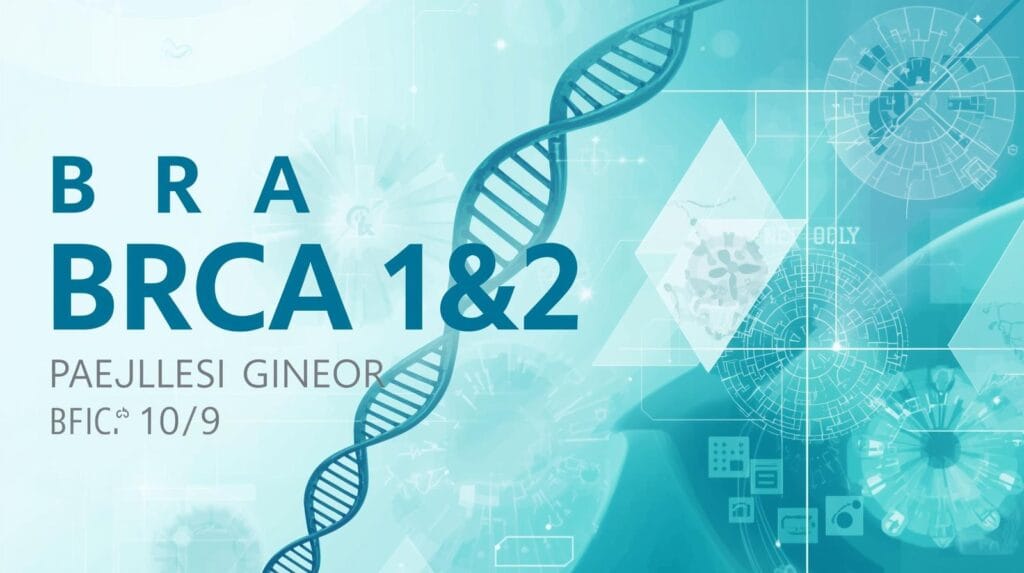
What is BRCA 1&2 Genetic Test?
At My Genetic DNA Center, the BRCA 1 & 2 Genetic Test is a specialized analysis designed to detect inherited variations in the BRCA1 and BRCA2 genes, which are strongly linked to increased risk of breast, ovarian, and certain other cancers. This test examines specific gene sequences from a small blood or saliva sample to identify mutations that may predispose an individual to cancer. The information from this test helps families and healthcare providers understand genetic risks, enabling informed decisions about preventive care, regular screenings, and lifestyle measures to reduce potential health threats.
How does the BRCA 1 & 2 Genetic Test work?
The testing process at My Genetic DNA Center involves collecting a biological sample, extracting DNA, and analyzing the BRCA1 and BRCA2 genes for any changes or mutations. Advanced sequencing technologies are used to read the gene sequences and detect alterations that could affect their normal tumor-suppressing function. Once identified, these variations are interpreted by genetic specialists to assess cancer risk, and a detailed report is prepared that explains whether the mutations are significant for the patient’s health. This scientific approach ensures precise understanding of hereditary cancer risk.
Who should consider undergoing the BRCA 1 & 2 Genetic Test?
Individuals with a family history of breast, ovarian, pancreatic, or prostate cancer are often recommended to undergo testing at the laboratory using advanced technologies like My Genetic DNA Center laboratory. Women or men with multiple relatives affected by these cancers, or those who have developed cancer at an early age, may also benefit from this analysis. By identifying potential genetic risks early, patients can take preventive measures such as frequent screenings, lifestyle modifications, or in some cases, medical interventions. The test provides clarity for both personal and family planning purposes.
What type of samples are required for the BRCA 1 & 2 Genetic Test?
For accurate testing at My Genetic DNA Center, samples typically include a small amount of blood or saliva. These samples contain sufficient DNA for the laboratory to analyze the BRCA1 and BRCA2 genes. After collection, the samples are carefully preserved and securely transported to the laboratory to prevent contamination or degradation. The precise handling of these specimens ensures that the results are reliable and that any mutations present in the genes are correctly identified.
How are the BRCA 1 & 2 Genetic Test results interpreted?
Once testing is complete at My Genetic DNA Center, results are compiled into a clear, detailed report. The report highlights whether any mutations in the BRCA1 or BRCA2 genes are detected and classifies them based on their potential to increase cancer risk. Genetic counselors may review the findings with the patient, explaining the significance of the mutations and suggesting preventive strategies, medical screenings, or treatment plans. This guidance helps individuals make informed health decisions and understand the implications for their family members.
How long does it take to receive BRCA 1 & 2 Genetic Test results?
At My Genetic DNA Center, the turnaround time for BRCA 1 & 2 Genetic Test results usually ranges from 2 to 4 weeks, depending on the complexity of the analysis and whether confirmatory testing is needed. During this period, the DNA sample is processed, sequenced, and examined by experts to ensure accuracy. The center emphasizes reliable, precise, and confidential reporting, so patients receive trustworthy information that can guide their health management and family planning effectively.
How Can You Book a DNA Test and Genetic Test at My Genetic DNA Center?
Booking for any type of test, whether it is a DNA test, NIPT, Whole exome sequencing, Clinical Exome Sequencing, Rabies DNA Test, HIV PCR DNA test, Allergy Test, Ancestry DNA test, BRCA 1&2 Genetic Test at My Genetic DNA Center is very easy, quick and convenient. You can easily schedule your appointment by calling at this number + 91 9381967096 or by visiting our official website at My Genetic DNA Center. Once your booking is confirmed, our team will guide you through every step, including sample collection details, preparation instructions, and the complete testing process. This ensures a smooth, stress-free experience from start to finish.
Cities which we offer DNA Test and Genetic Test:
My Genetic DNA Center offers its services across various locations in India. For example, currently, we are providing services in Mumbai, Delhi, Bangalore, Hyderabad, Chennai, Pune, Meerut, Ahmedabad, Surat, Jaipur, Jalandhar, Bhopal, Kanpur, Indore, Varanasi, Vizag, Nagpur, Patna, Kolkata, Lucknow, Coimbatore, Vijayawada, Thrissur, Madurai, Chandigarh, Gurugram (Gurgaon), Noida, Kochi, Thiruvananthapuram, Bhubaneswar, Ranchi, Dehradun, Mysuru (Mysore), and many more. Moreover, if the service is not available near your location feel free to call us at + 91 9381967096 our team will help you.
List of DNA Test and Genetic Test:
| Paternity Test | Buy Now |
| Maternity Test | Buy Now |
| Sibling Test | Buy Now |
| Y-STR Test | Buy Now |
| Grandparent Test | Buy Now |
| Avuncular test (Aunt/Uncle) | Buy Now |
| Legal DNA Test | Buy Now |
| DNA Self-Collection kit | Buy Now |
| Single DNA Profiling | Buy Now |
| NIPT Test | Buy Now |
| NIPT advanced Test | Buy Now |
| Clinical Exome Sequencing | Buy Now |
| Whole Exome Sequencing | Buy Now |